How to Secure Your Home: Locksmith Tips for Every Season
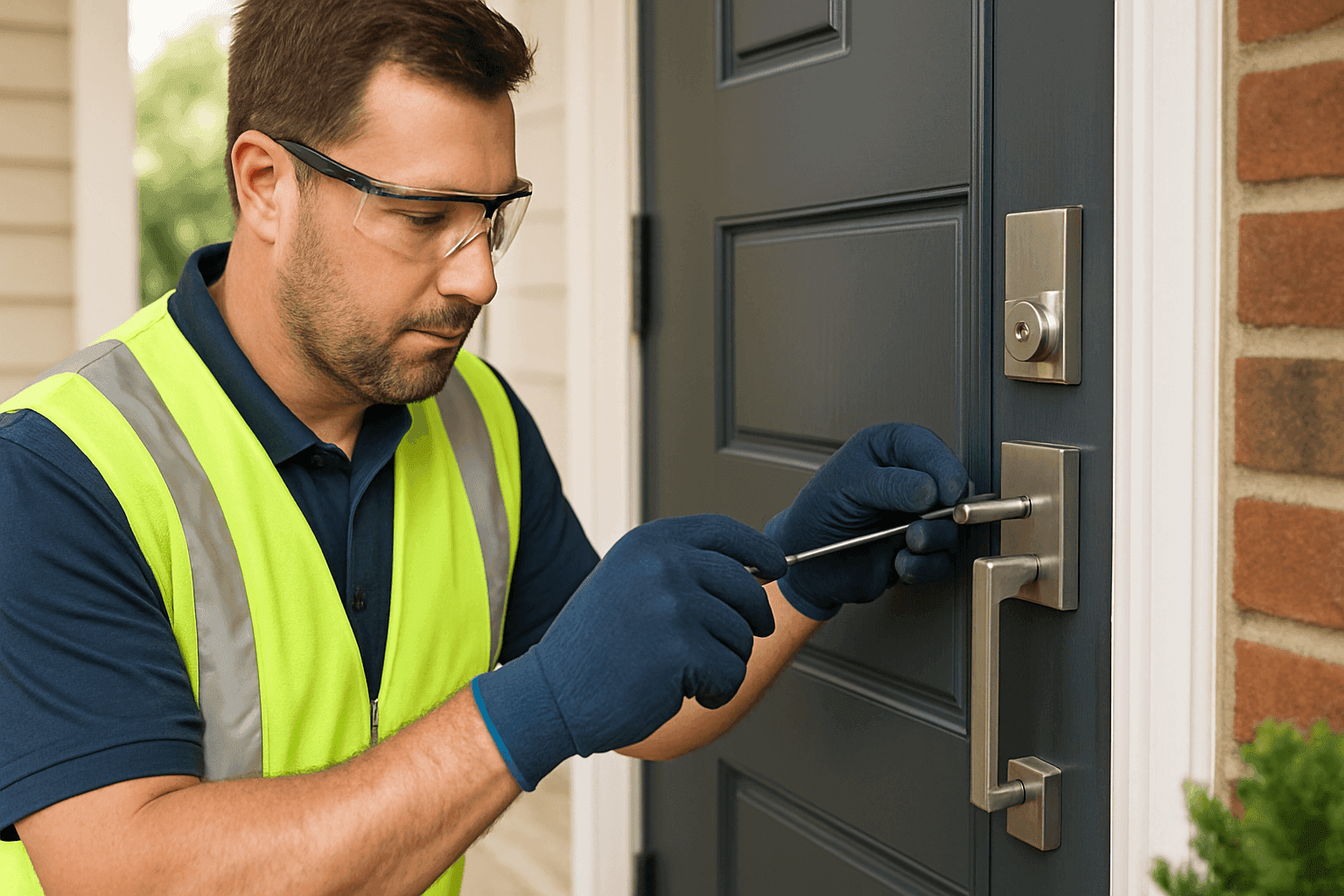
Is your front door ready for the next big storm, or the freeze that sneaks in each winter? Most homeowners—busy with life’s demands—don’t think about lock security until something goes wrong. At 6th Ave Locksmith, we see the same story every season: a small issue becomes a major headache.
Your home is more than bricks and glass. It’s where you stash your peace of mind. Our locksmiths are here to help you keep it safe, no matter what the year throws your way.
Spring & Summer Security Challenges 🌦️
Warm weather brings more than backyard barbecues. It also brings storms, travel, and increased foot traffic around neighborhoods. Each change can expose hidden weaknesses in your home’s defenses.
Common threats in spring and summer:
- Heavy rain and wind can loosen door frames and damage locks.
- Windows left open for fresh air invite opportunistic thieves.
- Summer vacations mean empty homes—prime targets for break-ins.
- Car lockouts spike at parks, beaches, and events.
Practical Steps:
- Check all exterior locks after storms. Look for wiggling handles, sticking keys, or visible rust.
- Install or upgrade window locks on ground-level windows. Even small bathroom windows.
- Before leaving for vacation, ask a trusted neighbor to collect mail and check doors.
- If you’ve lost keys or had a previous break-in, ask about rekeying services. It’s faster and more cost-effective than full replacement.
A sturdy lock is only as good as the door it’s on. If your door frame shifts or cracks, even the best lock can fail. Make seasonal lock and frame checks a habit—like changing your smoke alarm batteries.
Winter-Proofing Your Locks ❄️
Cold weather doesn’t just nip at your nose; it can freeze your locks solid. Metal contracts, moisture seeps in, and suddenly your key won’t turn.
Winter threats to look for:
- Frozen locks and handles, especially on outbuildings and garages.
- Swollen or warped UPVC doors, causing misalignment.
- Rust from road salt and winter moisture.
- Increased risk of break-ins during longer, darker nights.
How to protect your locks in winter:
- Lubricate locks with a graphite-based spray before cold snaps hit.
- Use weatherproof lock covers on gates, sheds, and outdoor storage.
- Inspect weatherstripping around doors to keep out drafts and moisture.
- Warm your key with your hand before inserting if the lock feels frozen.
If a lock is already frozen, avoid pouring hot water—it can make things worse. Instead, try a lock de-icer or contact a locksmith for emergency service.
Holiday Burglary Prevention 🎄
The holidays are about joy—but for some, it’s open season for break-ins. Packages pile up. Lights twinkle. Thieves take note.
Holiday security moves:
- Use smart timers for lights to create the illusion of someone at home.
- Don’t display gifts near windows or doors.
- Secure sliding doors with bar locks or dowels in the track.
- If you travel, avoid posting your plans on social media until you return.
- Reinforce patio and side doors with high-security deadbolts.
Ask about master key systems if you’re expecting lots of guests or house sitters. This lets you control access without juggling a pocketful of keys.
Quick Home Security Checklist
- Test every lock—front, back, side, and windows—at least once per season.
- Replace any lock that sticks, grinds, or feels loose.
- Upgrade to anti-snap or bump-resistant locks (look for British Standard BS3621 or ANSI Grade 1 ratings).
- Install window locks on all accessible windows.
- Check outdoor lighting and motion sensors.
- Store spare keys in a lockbox, not under the mat or a flowerpot.
- Rekey locks after moving, losing keys, or changes in household staff.
DIY vs. Call a Locksmith
Some fixes are simple. Others need a steady hand and the right tools.
DIY:
- Basic lubrication of locks.
- Tightening loose screws on handles.
- Cleaning debris from lock cylinders.
Call a locksmith:
- Broken or snapped keys inside locks.
- Ignition repair & replacement for vehicles.
- Safe services or opening jammed safes.
- Master key system installation.
- Security upgrades beyond standard deadbolts.
Trying to force or drill a stubborn lock can cause more damage (and cost). A locksmith brings not just tools, but experience. Sometimes, a ten-minute professional repair saves you hours of frustration.
What Happens When a Locksmith Arrives
When you call for help—especially in an emergency—here’s what you can expect:
- A certified locksmith will inspect the problem, whether it’s a lockout, jammed lock, or broken key.
- They’ll assess the damage to the lock, handle, and door frame.
- If possible, they’ll repair the existing mechanism. If not, they’ll recommend a suitable replacement.
- For vehicles, car key cutting and programming can often be done on-site.
- After the fix, you’ll get advice on keeping your locks in good shape, and recommendations for added security if needed.
A reputable locksmith won’t upsell you on things you don’t need. Instead, they’ll walk you through the options and help you make an informed choice.
Prevention & Maintenance
Locks are like your car—they work better with regular care.
Maintenance habits for year-round safety:
- Lubricate all locks twice a year (spring and autumn).
- Inspect weather seals and replace if cracked or missing.
- Have keys duplicated by a professional to avoid worn or bent copies.
- Check for new security hardware updates—technology moves fast, and so do burglars.
- Upgrade to smart access or keyless systems if convenience and access tracking matters to you.
- After any burglary or attempted break-in, change or rekey your locks immediately.
Refer to guidelines from organizations like the Master Locksmiths Association (MLA) or the American National Standards Institute (ANSI) for product ratings and safety codes.
Costs & Time Factors
No one likes surprises—especially on the bill.
What affects locksmith costs and timing:
- The type of lock (basic, high-security, digital).
- The service needed (repair, replacement, rekeying, car key programming).
- Emergency vs. scheduled service (after-hours calls may be higher).
- Parts availability and complexity of installation.
Most residential lock repairs or replacements can be completed in under an hour. Car key cutting and programming may take a bit longer, especially for newer models.
Tip: Always ask for a clear breakdown of expected costs and time frames before work begins.
When It’s an Emergency
Emergencies don’t wait for business hours. Whether you’re locked out at midnight or dealing with a broken door after a break-in, fast response matters.
Situations that need urgent locksmith help:
- Locked out of home, office, or car—especially with children or pets inside.
- Lost or stolen keys to your main entry points.
- Visible damage to locks or doors after attempted break-ins.
- Malfunctioning ignition or car keys, stranding you away from home.
- Safe lockouts with valuables or important documents inside.
6th Ave Locksmith offers 24/7 support. We get there fast, so you’re not left waiting in the rain—or the cold.
Frequently Asked Questions (FAQ)
How often should I rekey my locks?
Whenever you move, lose a key, or after any security concern. Rekeying is quicker than replacing and keeps old keys from working.
Are smart locks secure?
Yes, when installed and used with strong passwords and two-factor authentication. Look for certified models with encryption and regular software updates.
What makes a lock “high security”?
Features like anti-drill plates, pick resistance, and snap-proof cylinders. Look for standards like BS3621 or ANSI Grade 1.
Can a locksmith help with UPVC door or window problems?
Absolutely. We supply, fit, and repair UPVC doors and windows, including all locking mechanisms.
Local & Seasonal Considerations
No two homes—or businesses—face the same threats. A beachside cottage battles salt and humidity. A city flat might struggle with old window frames.
Seasonal lock care tips:
- Coastal locations: Rinse and lubricate locks monthly to fight corrosion.
- Rural homes: Secure sheds, gates, and outbuildings before winter storms.
- Apartments/condos: Upgrade postbox and cabinet locks. Install peepholes or smart viewers for extra visibility.
Your climate, neighborhood, and lifestyle all play a part. Seasonal security isn’t a one-time project. It’s a year-round mindset.
No matter the season, 6th Ave Locksmith is here to help you stay secure—without fuss or fear. Keep this guide handy, and remember: a little prevention goes a long way toward peace of mind.
Call 6th Ave Locksmith now — or reach us anytime at 877-318-7414 .